Maintaining skin firmness and structural elasticity becomes increasingly complex as the body’s natural collagen production wanes over time. Environmental factors such as cumulative solar radiation, atmospheric pollution, and lifestyle stress accelerate this process, causing subtle sagging along the jawline, cheeks, and neck. While topical skincare products support surface hydration and protect the epidermal barrier, they cannot penetrate deeply enough to contract lax connective tissue or stimulate significant new structural protein synthesis. Radiofrequency technology addresses these deep-layer changes by delivering controlled thermal energy into the dermis and subdermal matrix. This non-invasive approach triggers immediate tissue tightening while stimulating long-term collagen remodeling without requiring surgical intervention or extended recovery windows. Understanding the underlying thermal mechanisms, treatment protocols, and supportive skincare habits allows individuals to establish a reliable strategy for preserving firm, youthful facial contours.
The Structural Mechanics of Dermal Laxity
Facial firming and elasticity rely heavily on the extracellular matrix located within the dermis, the middle layer of the skin. This structural framework consists primarily of Type I and Type III collagen fibers, elastin networks, and glycosaminoglycans such as hyaluronic acid.
As tissue undergoes intrinsic aging and extrinsic photoaging, several physiological changes compromise skin firmness:
- Collagen Synthesis Decline: Adult skin loses approximately one percent of its natural collagen capacity each year, resulting in thinner, less dense dermal architecture.
- Elastin Fragmentation: Elastic fibers lose their coiled recoil structure, preventing skin from snapping back smoothly after stretching or facial movement.
- Ground Substance Depletion: Hyaluronic acid levels drop within the extracellular matrix, diminishing tissue hydration, turgor, and internal volume support.
- Connective Tissue Relaxation: The connective bands linking the dermis to the underlying superficial muscular aponeurotic system (SMAS) weaken, causing surface skin to yield to gravity.
Reversing structural laxity requires therapeutic intervention capable of penetrating past the upper epidermis to reach the deep collagen scaffold safely.
Biological Principles of Radiofrequency Tightening
Radiofrequency energy represents a gold standard in non-surgical tissue firming. Unlike light-based devices such as lasers, which depend on specific chromophores like melanin or hemoglobin, radiofrequency operates via electrical current resistance within dermal tissue.
The heating process sets off two primary biological responses:
- Immediate Triple-Helix Contraction: Thermal energy raises deep dermal temperatures to a precise therapeutic range (typically 40°C to 43°C). This heat breaks temperature-sensitive hydrogen bonds within triple-helix collagen molecules, causing the fibers to shorten and thicken immediately.
- Delayed Fibroblast Stimulation: Thermal stress triggers a localized heat-shock protein response. This inflammatory cascade signals fibroblasts to synthesize fresh collagen and elastin over the subsequent three to six months, gradually increasing skin density and firming contours.
Because radiofrequency energy bypasses epidermal melanin, it provides a safe, color-blind treatment option suitable for all skin phototypes without heightening the risk of post-inflammatory hyperpigmentation.
Comparing Energy-Based Tightening Modalities
Selecting the right non-invasive tightening method depends on individual skin thickness, degree of laxity, and desired recovery timeline.
| Modality | Target Depth | Thermal Energy Mechanism | Primary Biological Impact | Recovery Window |
| Monopolar/Bipolar RF | Mid to Deep Dermis | Electrical current resistance | Immediate collagen contraction and long-term fibroblast activation | Minimal to zero downtime |
| Combined RF Microneedling | Subdermal Matrix | Direct needle energy delivery | Mechanical micro-channeling plus deep thermal coagulation | 24 to 72 hours of mild redness |
| High-Intensity Focused Ultrasound | Deep SMAS Layer | Concentrated acoustic soundwaves | Thermal coagulation points at precise structural depths | Minimal downtime |
| Hydro-Exfoliation Therapies | Epidermal Stratum Corneum | Liquid vortex extraction | Surface pore clearance and active antioxidant infusion | Zero downtime |
Clinical Protocol and Patient Experience
A typical non-invasive tightening plan begins with a thorough clinical assessment to evaluate skin elasticity, structural thickness, and localized areas of laxity.
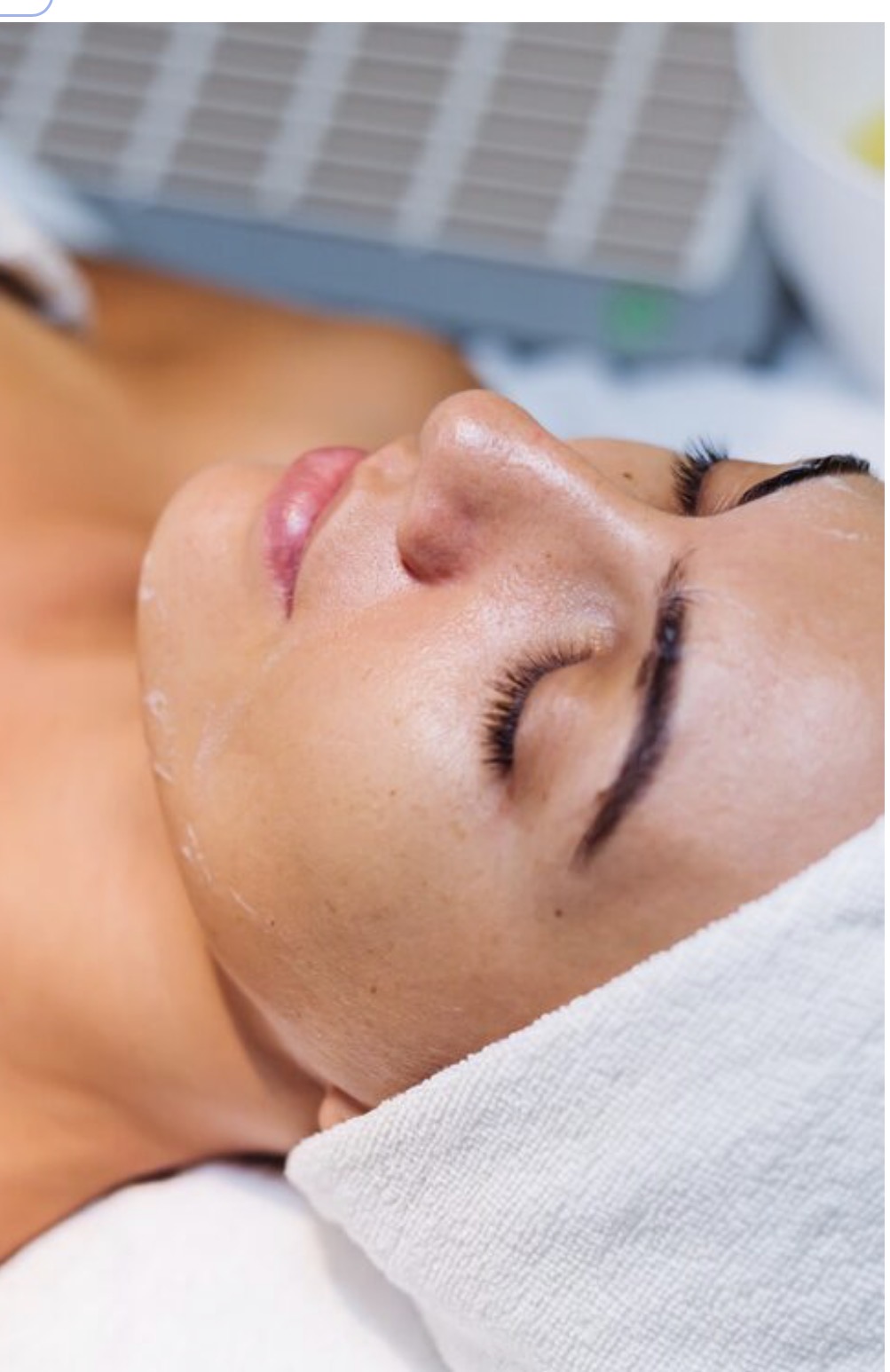
During a treatment session, a specialized handpiece glides smoothly across the skin while emitting controlled radiofrequency waves. Real-time temperature sensors ensure the tissue reaches optimal therapeutic heat while keeping surface temperatures comfortable. Patients generally experience a soothing, deep-warming sensation similar to a hot stone massage.
Receiving targetedRF skin tightening Winston-Salem treatments every three to four weeks as part of an initial multi-session series allows collagen remodeling to compound, yielding progressive lifting results that look natural.
Complementary Aesthetic Procedures
To achieve comprehensive facial rejuvenation, esthetic practitioners often integrate radiofrequency thermal treatments into multi-modality care plans:
Deep Hydro-Exfoliation and Detoxification
Clearing out surface sebum, particulate pollution, and accumulated dead skin cells before thermal energy delivery ensures optimal handpiece contact and fluid glide. Vacuum-assisted hydro-cleansing restores moisture balance, keeping the epidermal barrier clear and receptive.
Transdermal Micro-Infusion
Following thermal tightening, applying non-invasive nano-infusion micro-channels allows low-molecular-weight hyaluronic acid, signal peptides, and botanical antioxidants to absorb deep into active epidermal layers. This restores immediate surface hydration while underlying tissues undergo thermal repair.
Red Light Phototherapy
Exposing treated skin to red or near-infrared LED light therapy stimulates mitochondrial adenosine triphosphate (ATP) production. This light energy reduces mild post-treatment warmth, accelerates cellular recovery, and supports ongoing collagen synthesis.
Essential Homecare Practices for Preserving Elasticity
While clinical energy devices rebuild internal collagen density, consistent daily home care preserves barrier integrity and shields newly formed structural proteins from premature degradation.
Recommended daily maintenance habits include:
- Daily Broad-Spectrum Sun Protection: Ultraviolet radiation remains the leading cause of collagen degradation and elastin breakdown. Apply a mineral or chemical broad-spectrum sunscreen with SPF 30 or higher every morning.
- Incorporate Barrier-Supporting Topicals: Utilize moisturizers and serums formulated with ceramides, niacinamide, fatty acids, and copper peptides to nourish the skin barrier and support natural repair pathways.
- Layer Antioxidant Defenses: Apply stable antioxidant formulations, such as Vitamin C or resveratrol, under sunscreen to neutralize ambient free radicals and urban pollution.
- Avoid Immediate Extremes: Refrain from hot tubs, saunas, heavy steam rooms, and aggressive physical scrubs for 24 to 48 hours following a thermal session to allow tissue inflammation to cool naturally.
Sustaining Firm, Radiant Skin
Achieving long-term skin firmness requires a multi-layered approach that targets both surface health and deep structural integrity. By harnessing controlled radiofrequency energy, non-surgical tightening treatments contract lax collagen fibers and stimulate ongoing protein synthesis without surgical downtime or invasive incisions. Paired with personalized clinical planning, high-potency topical hydration, and disciplined sun protection, radiofrequency technology offers a safe, evidence-backed foundation for maintaining smooth, resilient, and youthful facial contours throughout every stage of life.